Why The Economist Remains the Gold Standard of Weekly News
A comprehensive review of The Economist — its editorial philosophy, writing style, digital experience, and why it continues to set the benchmark for weekly news magazines after 180+ years.
Our Rating
Outstanding
The Economist · Founded 1843 · Weekly
Few publications can claim to have shaped the intellectual landscape of an era. The Economist, founded in 1843 to campaign for free trade, has not only survived nearly two centuries of change — it has thrived. Today, it stands as perhaps the most influential weekly news magazine in the English-speaking world.
What Sets It Apart
The Economist's editorial model is unique. Articles are published without bylines — a collective voice that speaks for the publication, not individual journalists. This "leaderless" approach, paradoxically, produces some of the most opinionated journalism anywhere. The paper (it insists on being called a newspaper, not a magazine) takes clear positions on everything from monetary policy to social reform, always filtered through its founding liberal principles.
The writing is famously crisp. Short sentences. No fluff. A dry wit that rewards careful reading. The style guide is legendary — the publication once ran an ad campaign that read: "I never read The Economist. — Management trainee, aged 42."
Print & Digital Experience
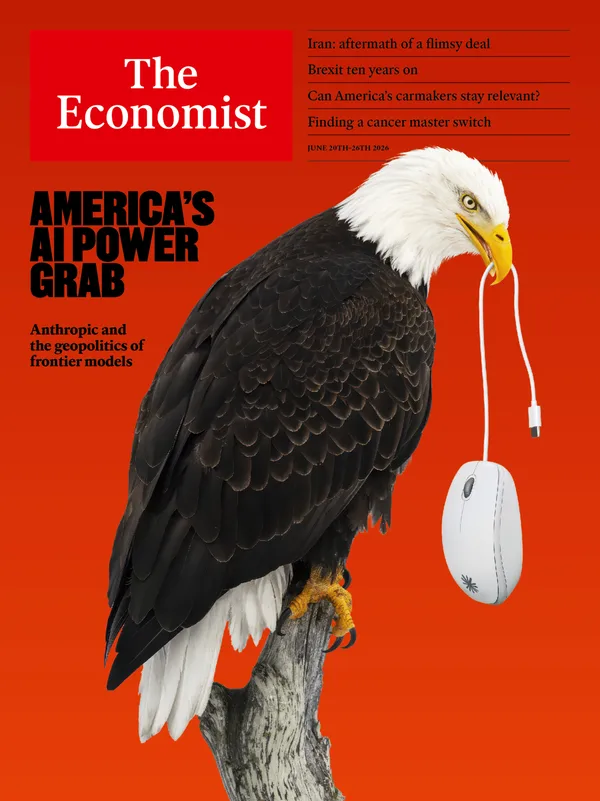
The print edition arrives weekly with a distinctive red-and-white cover featuring bold typography. Inside, sections cover politics, business, science, technology, books, and the arts. The flagship "Briefing" articles dive deep into a single topic each week, often running 2,000–3,000 words.
The digital offering has matured impressively. The Economist app delivers the full edition each Thursday evening, with audio narration for every article — read by professional voice actors, not synthetic voices. The Espresso app provides a daily briefing of five essential stories, perfect for morning commutes.
What Could Be Better
The subscription cost is steep — roughly $200–300 annually for digital, more for print + digital. While the quality justifies the price for dedicated readers, casual consumers may find it hard to swallow. The publication's confidence in its own worldview can also veer into intellectual arrogance; readers who disagree with its editorial line may find themselves perpetually annoyed.
The Verdict
The Economist is not for everyone. Its worldview is unapologetically liberal, its tone is arch, and its price is premium. But for readers who want to understand the forces shaping the world — economic, political, technological — delivered in some of the finest prose in journalism, nothing else comes close.
A subscription to The Economist is an investment in being a more informed, more interesting person. That's worth a 9 out of 10.
Topics
Ready to read The Economist?
Visit Website →